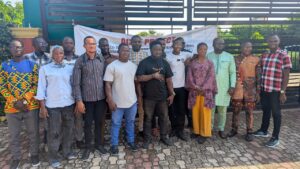
Fifteen radio presenters from media houses operating in border districts of the Upper East and Upper West Regions have undergone training aimed at strengthening their capacity to promote peaceful coexistence between farmers and herders and support peaceful agro-pastoralism.
The training, held at the Jocom Hotel in Bolgatanga from 10th to 12th August, 2026, formed part of the Project to Support Cross-border Communities Vulnerable to Insecurity and Fragility (ACTIF), implemented by Changing Lives in Innovative Partnerships (CLIP) with support from Acting for Life (AFL) and funding from the French Ministry of Foreign Affairs.
The initiative sought to equip radio presenters with the knowledge and skills to develop and broadcast conflict-sensitive messages capable of reducing tensions, promoting understanding and contributing to peaceful communities within their respective operational areas.
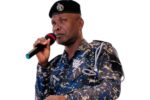
In his welcome address, the Director of Changing Lives in Innovative Partnerships, Mr. Lukman Yussif, emphasised the important role of Ghanaians and the media in maintaining peace and stability, particularly as Ghana continues to receive people affected by insecurity and conflict in the Sahel region.
Mr. Yussif noted that Ghana’s hospitable nature has made the country a destination for people fleeing crises in the Sahel, stressing the need for communities to embrace peaceful coexistence.
He further called for the media to harness its influence to promote peace, saying the power of the media should be used to ensure peaceful coexistence and make communities safe places to live.
According to him, every Ghanaian has a role to play in creating an environment where communities can thrive in stability.
The training was facilitated by Mr. Nicholas Nambirigya Azeberi, a seasoned journalist with extensive experience in reporting and issues surrounding farmer-herder relations.
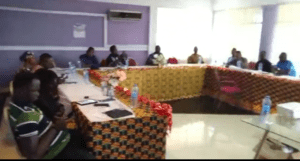
The sessions covered four major areas, including perceptions of conflict and the role of the media in either escalating or reducing tensions; early warning signs and peacebuilding actors; the challenges and benefits of pastoralism; and agro-pastoralism and transhumance.
Participants were also taken through responsible journalism and radio production approaches that promote peaceful coexistence, with emphasis on the need for broadcasters to avoid narratives that could inflame tensions or deepen divisions between communities.
A key outcome of the training was the development of a well-tailored radio broadcast script by the participants, with support from the facilitators. The script is designed to provide practical messages to farmers and herders on how they can pursue their livelihoods peacefully while respecting each other’s interests and reducing potential sources of conflict.
Speaking on behalf of the participants, Mr. Wasor Ibrahim of Sissala Radio expressed appreciation to CLIP for the knowledge and skills acquired during the training.
He pledged the commitment of the participants and their respective media houses to support the objectives of the project through responsible broadcasting and peace-oriented programming.
Mr. Wasor also called for stronger and sustained partnerships among media organisations, development partners and other stakeholders to expand the impact of initiatives aimed at promoting peace and stability in cross-border communities.